Minimise late payment penalties
You still need to pay some of the self-assessment bill that was due on 31 January 2025. As a result, interest will be added to the debt and penalties can follow. What steps can you take to prevent or mitigate them?
New and old penalty rules
There are currently two sets of self-assessment penalty rules running alongside each other. The new rules apply to late VAT returns and late reports made under the trial version of Making Tax Digital for Income Tax Self-Assessment (MTD ITSA). However, the old penalty rules apply if you were in the self-assessment system and still owe tax for 2023/24.
Late payment penalty
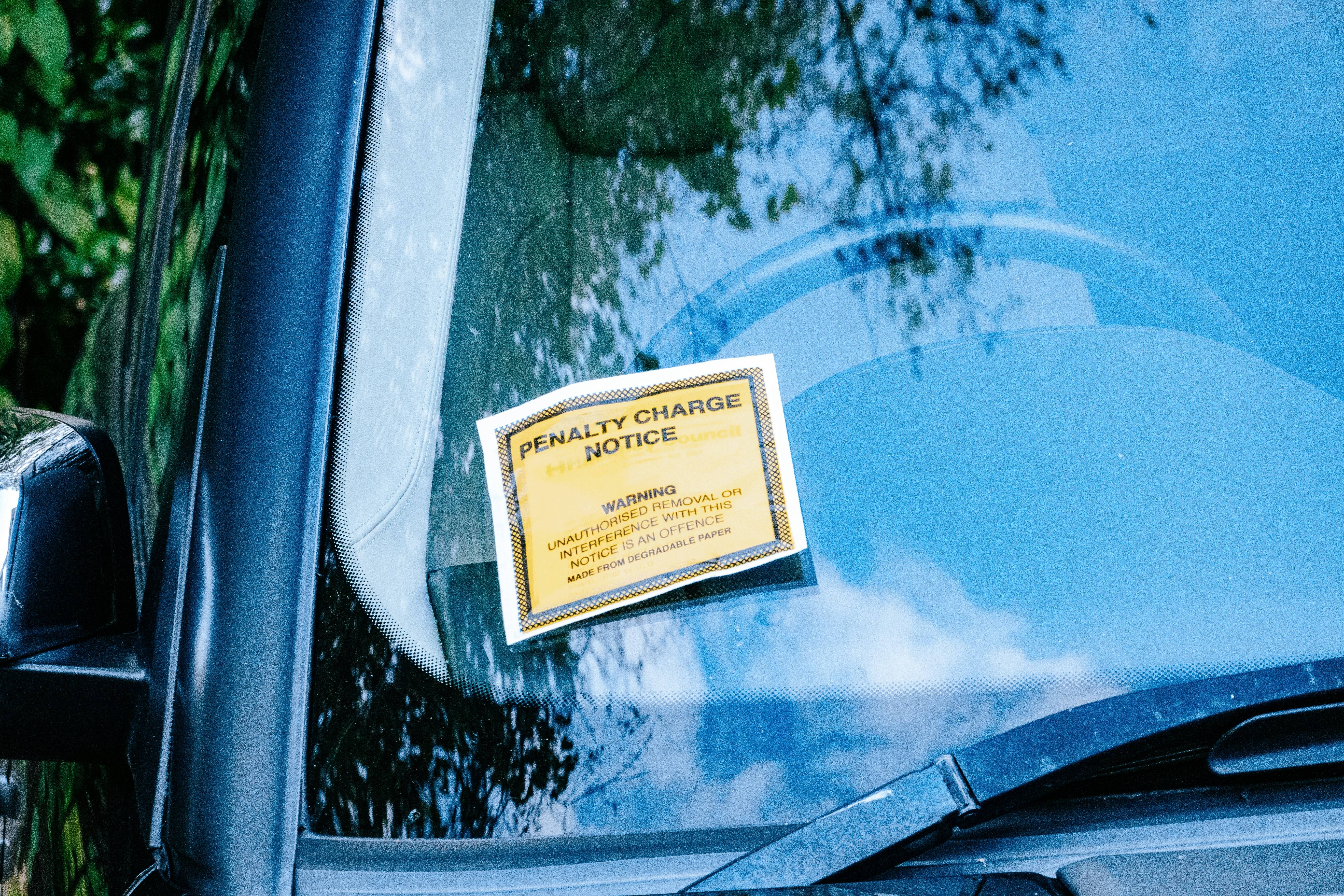
Independent of the initial fixed £100 penalty that HMRC charges if you didn’t submit your 2023/24 self-assessment return on time, interest and late payment penalties apply for overdue self-assessment tax. Interest at 7.25% per annum (simple) is payable on any amount you owe. In addition, if you still owe tax for 2023/24 you’re at risk of triggering the first of two fixed-rate penalties.
Fixed-rate penalty
If you owe income tax, capital gains tax or Class 4 NI for 2023/24 beyond 1 March 2025, HMRC will charge you a penalty equal to 5% of what you owe. Remember that in most cases not everything payable on 31 January 2025 necessarily relates to your 2023/24 tax bill. Part of it can be a payment on account for 2025/26. The 5% penalty won’t apply to this, but the 7.25% interest will.
If you’re going to pay only part of your 31 January tax bill, ask HMRC to allocate it to the amount you owe for 2023/24, even in preference to anything you might owe for earlier years. Whatever you pay against 2023/24 will reduce both the interest charge and the fixed-rate penalty.
To allocate your payments how you wish, phone or write to HMRC. Always keep a record of your request as you might later need to refer to it.
Mitigate with time-to-pay arrangements
If you can’t pay everything you owe, HMRC will usually agree on instalments. These are called time-to-pay (TTP) arrangements. HMRC gives guidelines on when it will agree to a TTP arrangement. If you don’t think you’ll be able to pay all your 2023/24 tax on or before 1 March 2025, contact HMRC before the late payment penalty is triggered. If you do HMRC will usually waive it.
Be prepared
When making a request for a TTP arrangement you’ll need details of your income and outgoings as HMRC needs to be convinced that you can’t afford to settle your tax bill all at once. If you have a special reason for not being able to pay that is outside of your control, mention this with your request for a TTP arrangement. If you receive a negative response, ask for your case to be reviewed by someone higher up.
How much time?
HMRC’s TTP agreements are not especially generous. You may get just a couple of months and at the most a year to pay. However, the more important thing is that it can, as mentioned, prevent late payment penalties.
Related Topics
-
Selling spare items to your company
You’re short of cash but if you use the traditional methods to take more money out of your company you’ll pay higher rate taxes. Is there another way to extract profits without paying income tax or NI?
-
No such thing as a (tax) free lunch?
You run a small consultancy company and treat your staff to lunch in the office once a week. Your bookkeeper says it’s a taxable benefit in kind because staff lunches are only exempt if they are provided in a workplace canteen. Is this correct?
-
Judge criticises use of fabricated AI-generated cases in HMRC appeal
A tax tribunal judge has criticised the use of apparently fabricated case references generated by artificial intelligence in an appeal against HMRC. The incident highlights growing concerns over the use of AI tools in legal and tax proceedings. What happened?